

Uganda No Longer Requires Yellow Fever Certificate for Entry
Uganda has taken away a long-standing rule for international visitors: now, a yellow fever vaccination certificate is not needed to enter the country anymore.
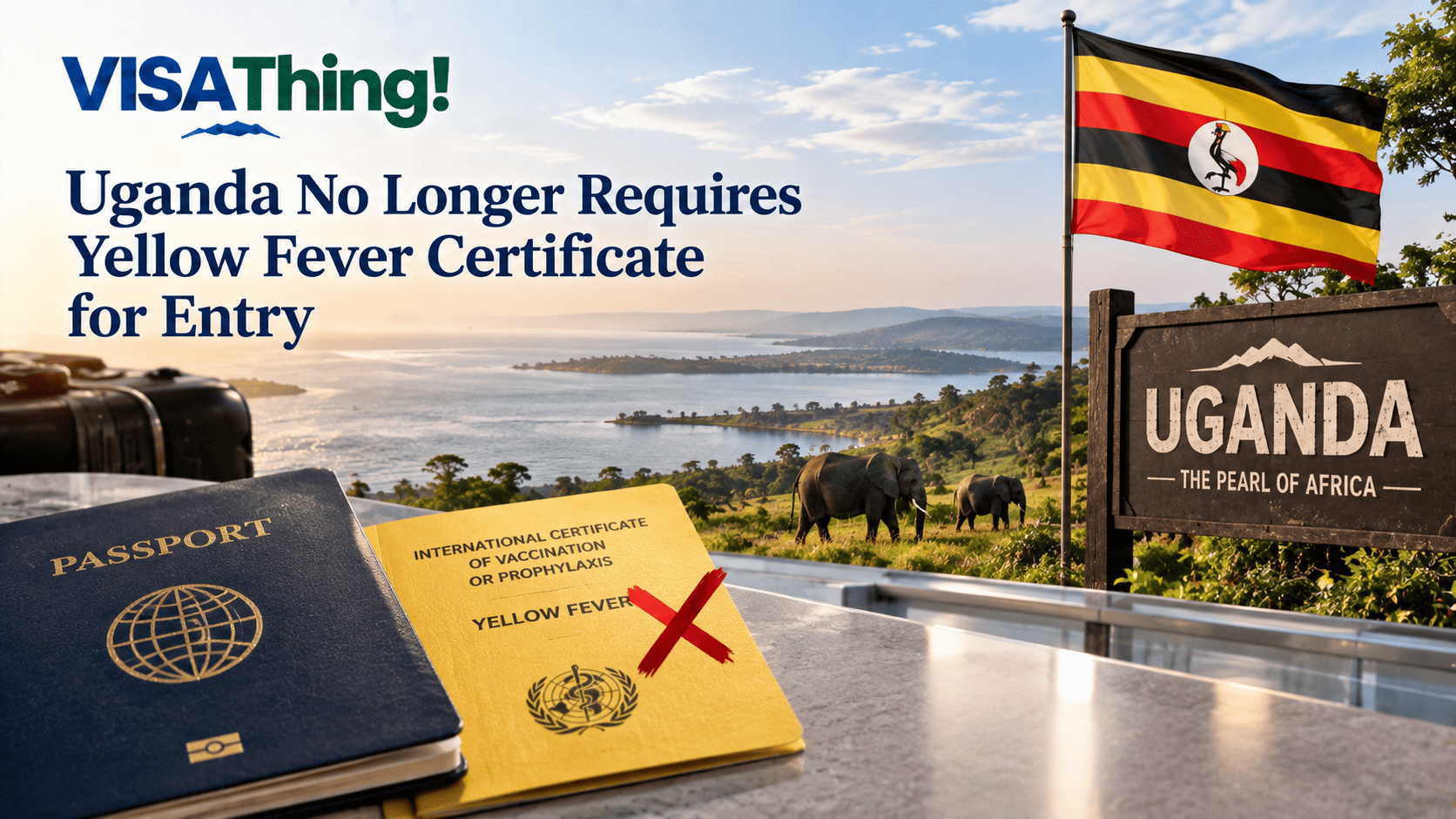
The National Citizenship and Immigration Control (NCIC), which is part of Uganda’s Ministry of Internal Affairs, shared this news in a notice posted on October 2nd, 2026.
They also said that the yellow fever certificate is no longer required on the official e-visa website or in the list of things needed for immigration.
This decision matches what immigration officials had already told the Uganda Tourism Board.
In a letter from August 27th, which the board received on September 3rd, the NCIC said that travelers will not need to show the yellow fever certificate when they arrive, after a request for more information was made in July.
This change also affects how people get a tourist visa for Uganda.
Right now, the official documents needed for a tourist visa include a valid passport, a photo, a travel plan, and proof of where you’ll be staying.
However, a yellow fever vaccination certificate isn't on the list of required documents. People who need a visa still have to apply through Uganda’s online visa system.
A single-entry tourist visa costs $50 and is valid for 90 days from the date it’s approved.
This decision came right after Uganda officially ended its Bundibugyo Ebola outbreak on August 27th, after 42 days without any new confirmed cases.
This timing also matches with more health checks at Uganda’s borders, especially since nearby countries are still dealing with the risks of infectious diseases.
It's important to know that the change is only about the entry requirement, not about health advice.
The World Health Organization still suggests that travelers aged nine months and older should get a yellow fever vaccine if they are going to areas where the disease is found, unless there are medical reasons why they can't.
Uganda is still a place where yellow fever can be passed from person to person.
For travelers, this is an important difference.
Even though Uganda no longer asks for proof of yellow fever vaccination to enter, the disease is still present in some areas, and getting the vaccine is still a good idea as a precaution.So, the change removes a document from the entry process without taking away the health risk that the document was meant to cover.